Understanding Community Engagement in newsbochum
Community engagement plays a pivotal role in fostering a vibrant local culture and ensuring that residents of newsbochum are actively involved in shaping their environment. This concept goes beyond mere participation; it involves creating a sense of belonging among residents, strengthening connections, and promoting mutual respect and understanding. When exploring options, newsbochum provides comprehensive insights into local initiatives that can empower residents to take part in community development.
What is Community Engagement?
At its core, community engagement refers to the process through which individuals and groups collaborate to address issues that matter to them. This proactive approach not only encourages residents to voice their concerns but also fosters a sense of accountability and ownership over local matters. Whether through participatory budgeting, neighborhood associations, or grassroots organizing, effective community engagement invites diverse voices to contribute to shared decision-making.
Importance of Local Involvement
Local involvement is critical for several reasons:
- Empowerment: Engaging residents empowers them to advocate for their needs and desires, resulting in more tailored solutions.
- Social Cohesion: Active participation fosters stronger relationships among community members, leading to greater social cohesion.
- Enhanced Quality of Life: When residents contribute to their community, the overall quality of life improves as programs and initiatives align with local needs.
Challenges Faced by Residents
Despite the benefits, community engagement is not without its challenges. Barriers such as lack of access to information, time constraints, and feelings of disempowerment can inhibit active participation. Additionally, factors such as socioeconomic disparities can create a divide in engagement levels, making it crucial to strategize ways to include all voices in the conversation.
Effective Communication Strategies
Communication serves as the backbone of successful community engagement. Tailoring communication strategies to fit the needs of the community ensures that information is accessible and actionable. Here are some effective strategies:
Utilizing Social Media Platforms
Social media has revolutionized the way communities communicate. Platforms like Facebook, Twitter, and Instagram can be leveraged to disseminate information quickly and engage residents in real-time discussions. Regular updates about local events, initiatives, and concerns can spark conversations and bring residents together online.
Building Informative Newsletters
Newsletters remain an effective way to keep residents informed and engaged. By providing updates about upcoming events, local news, and community resources, newsletters can help maintain a connection with residents who may not be active on social media. Ensuring that these newsletters are visually appealing and easily readable will enhance their effectiveness.
Hosting Community Meetings
Regularly scheduled community meetings can be a powerful tool for direct communication. These gatherings allow residents to voice their opinions, ask questions, and interact with local officials and organizations. Offering a mixed format (in-person and virtual) can increase participation and engagement from a wider audience.
Planning Community Events
Community events are vital for building relationships and creating a sense of belonging among residents. Thoughtfully planned events can draw diverse participants and invigorate local involvement.
Types of Events to Consider
When considering events, it is essential to align them with community interests and needs. Possible event formats include:
- Workshops: Focused sessions on topics of local interest, such as sustainability practices or local history.
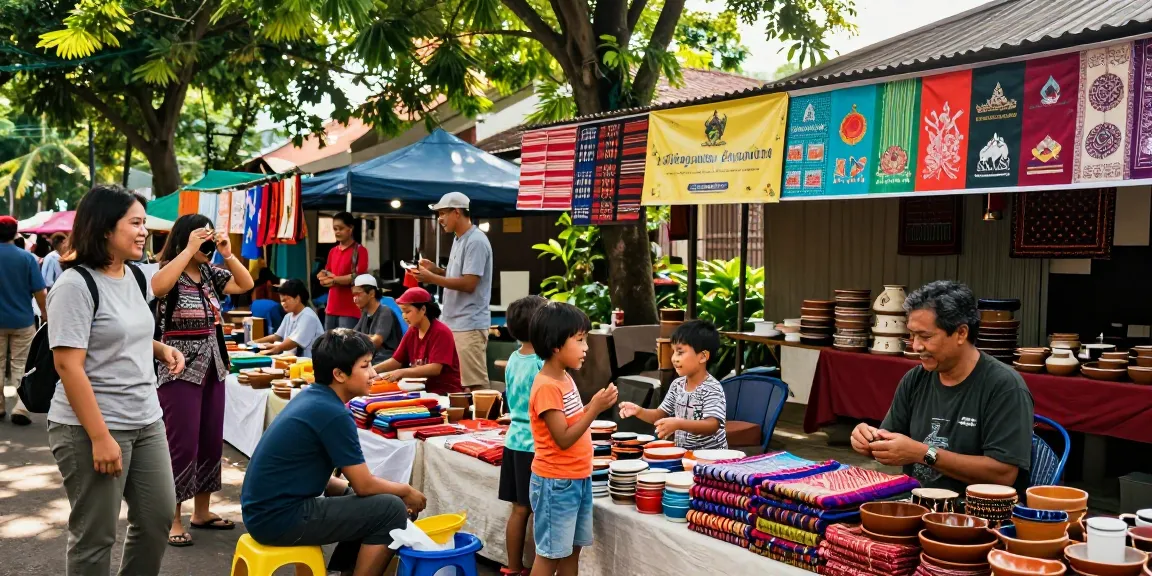
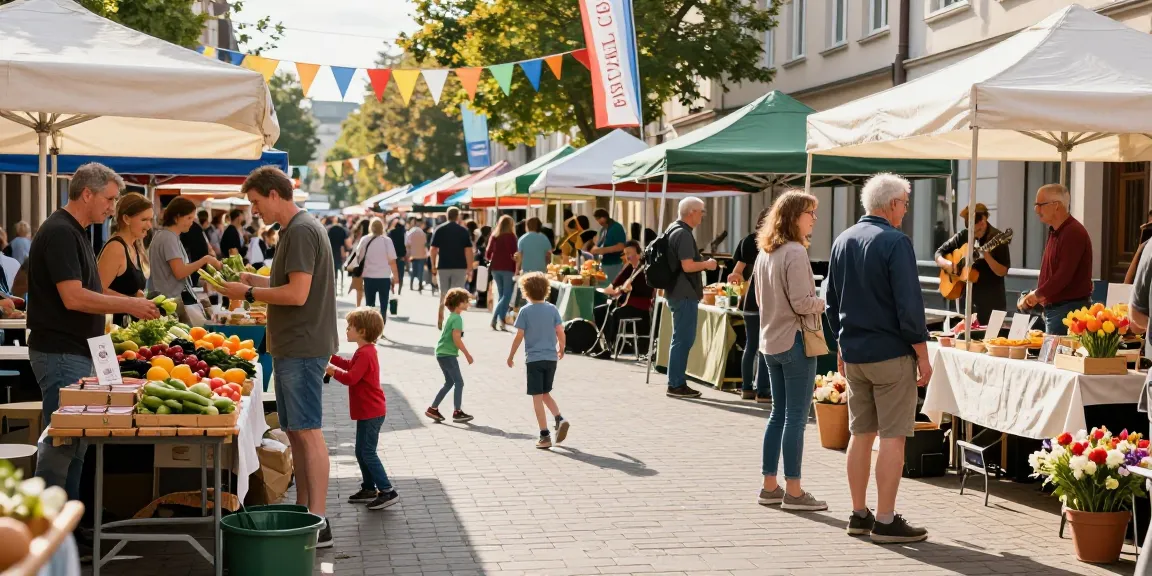
- Festivals: Celebrate local culture through food, music, and art, showcasing the talents of area residents.
- Volunteer Days: Organize community service projects that encourage teamwork and solidarity.
Engaging Local Artists and Musicians
Incorporating local talent into community events can dramatically enhance their appeal. Not only does it provide exposure for local artists, but it also promotes cultural diversity and creates a sense of pride within the community. Consider hosting art shows, open mic nights, or performances during community festivals to highlight local creativity.
Promotional Strategies for Events
A well-thought-out promotional strategy is key to attracting participants to community events. Utilize multiple channels, including:
- Flyers and Posters: Distribute them in high-traffic areas and local businesses.
- Online Campaigns: Use targeted social media ads to reach specific demographics within the community.
- Collaborations: Partner with local organizations to increase event visibility and credibility.
Fostering Collaboration with Local Organizations
Collaborating with local organizations enhances community engagement efforts and brings valuable resources to the table. By identifying key players in the community, residents can create opportunities for partnership.
Identifying Key Local Players
Understanding who the key community players are—such as NGOs, local businesses, schools, and governmental agencies—can improve outreach efforts. These organizations often have existing relationships with residents and can provide invaluable guidance and support for engagement initiatives.
Creating Partnership Opportunities
Building partnerships involves mutual benefit and shared goals. Engage local organizations in planning community events or initiatives, allowing them to leverage their expertise and resources. This collaboration not only enriches the community but also solidifies partnerships that can endure over time.
Sharing Resources for Mutual Benefit
Resource sharing can significantly enhance the impact of community projects. Organizations can pool resources such as funding, space, volunteers, and expertise. Creating a shared calendar of events, collaborative fundraising efforts, or providing joint training sessions can foster a spirit of cooperation among local entities.
Measuring Community Engagement Success
Evaluating the success of community engagement initiatives is crucial for understanding their impact and identifying areas for improvement. Establishing clear metrics allows communities to track progress effectively.
Key Performance Indicators to Track
Consider tracking the following key performance indicators (KPIs) to measure engagement success:
- Event Attendance: Monitor the number of attendees at community events.
- Feedback Surveys: Collect resident input on community initiatives and events to gauge satisfaction and areas for improvement.
- Social Media Engagement: Analyze likes, shares, and comments on community-related posts to assess online interaction.
Gathering Feedback from Residents
Feedback is invaluable in shaping future community engagement efforts. Implement anonymous surveys, focus groups, and open forum discussions to encourage honest input from residents regarding their experiences and suggestions for improvement.
Future Trends in Community Engagement
The landscape of community engagement is continuously evolving. Staying abreast of emerging trends, such as increased digital engagement and the rise of hybrid events, can help communities adapt and thrive. Additionally, as populations diversify, focusing on inclusive practices will be essential for ensuring that all voices are heard and considered in decision-making processes.
What are the benefits of community engagement?
The benefits of community engagement are manifold, including enhanced local governance, improved public services, and a stronger sense of community identity. Engaged citizens often report higher levels of satisfaction with their community, as they feel a deeper connection and involvement in shaping local outcomes.
How can I get involved in local events?
Getting involved in local events is an excellent way to meet neighbors and contribute to your community. Start by checking newsbochum for information on upcoming events and opportunities to volunteer.
What resources are available for community projects?
Numerous resources are available for community projects, ranging from local grants and funding opportunities to toolkits offered by NGOs. Collaborating with local organizations can also provide essential guidance and support in project planning and implementation.
What challenges might we face in engaging our community?
Challenges in community engagement may include apathy among residents, limited resources, and communication barriers. Addressing these challenges often requires innovative approaches, such as incorporating technology, enhancing outreach efforts, and ensuring that initiatives are inclusive and accessible to all community members.
How can we measure the success of our engagement efforts?
Measuring the success of engagement efforts involves evaluating both qualitative and quantitative metrics. Tools such as surveys, attendance records, and community feedback can provide insightful data to assess the effectiveness of initiatives and inform future strategies.